I came to DeFi as a TradFi graduate, and over the past half-decade or so, I have had to unlearn and relearn a lot of different things. But now, having spent enough time on both sides of things, I feel now's a good time to start sharing some of the frameworks that have helped me over the years.
A good way to think about DeFi growth, I think, is the Ansoff Matrix.
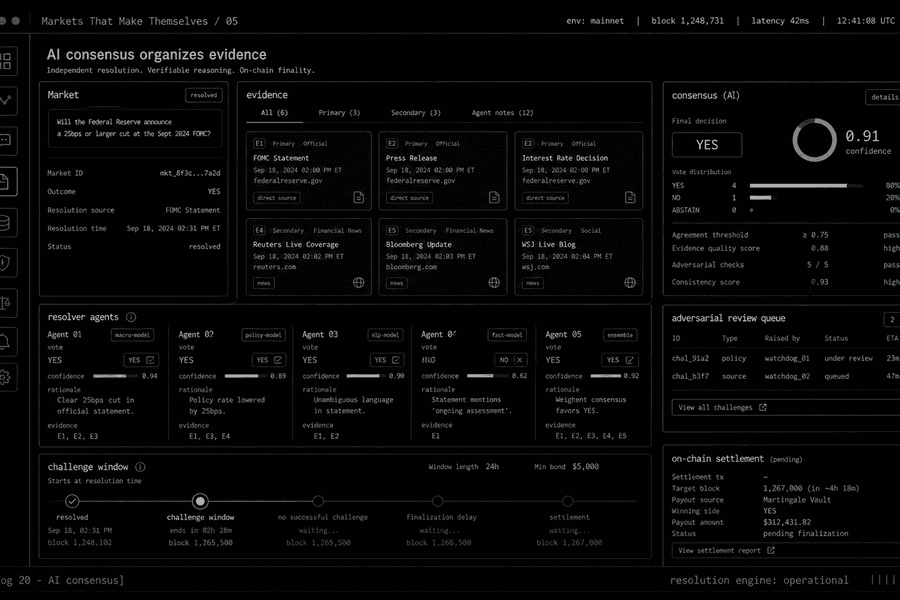
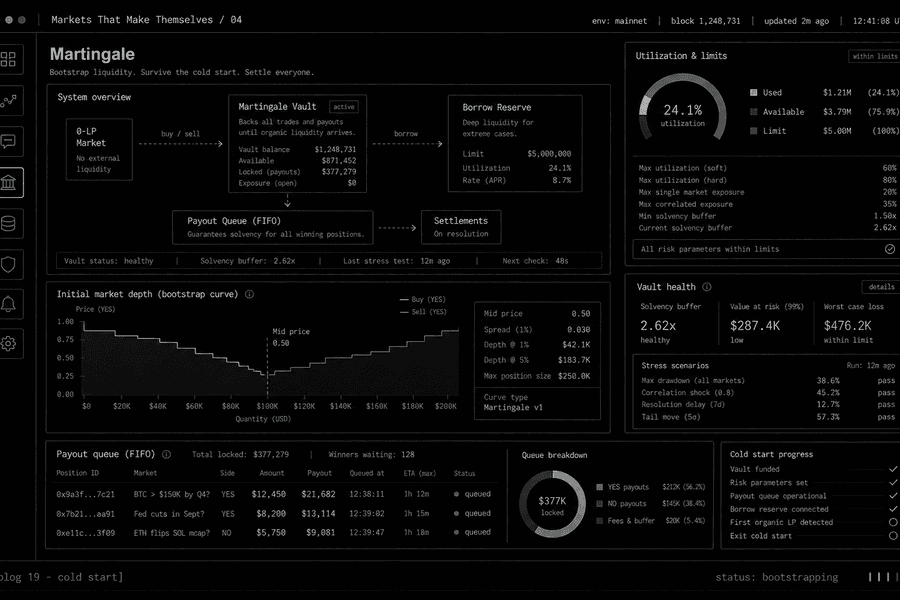
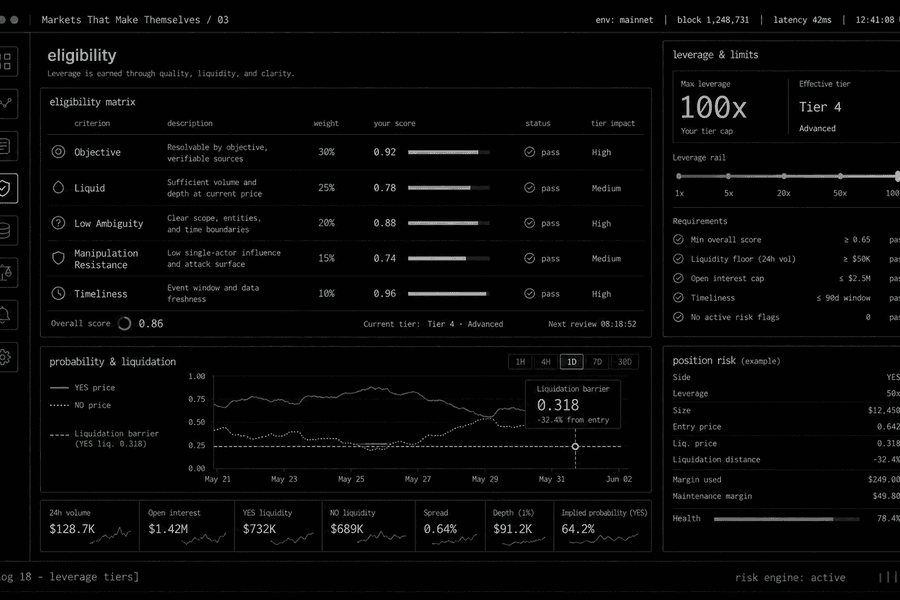
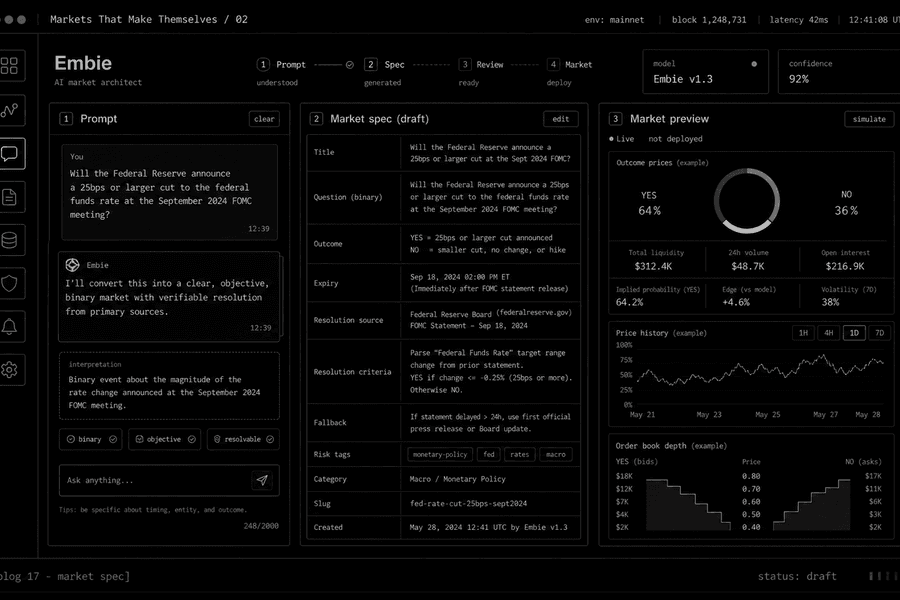
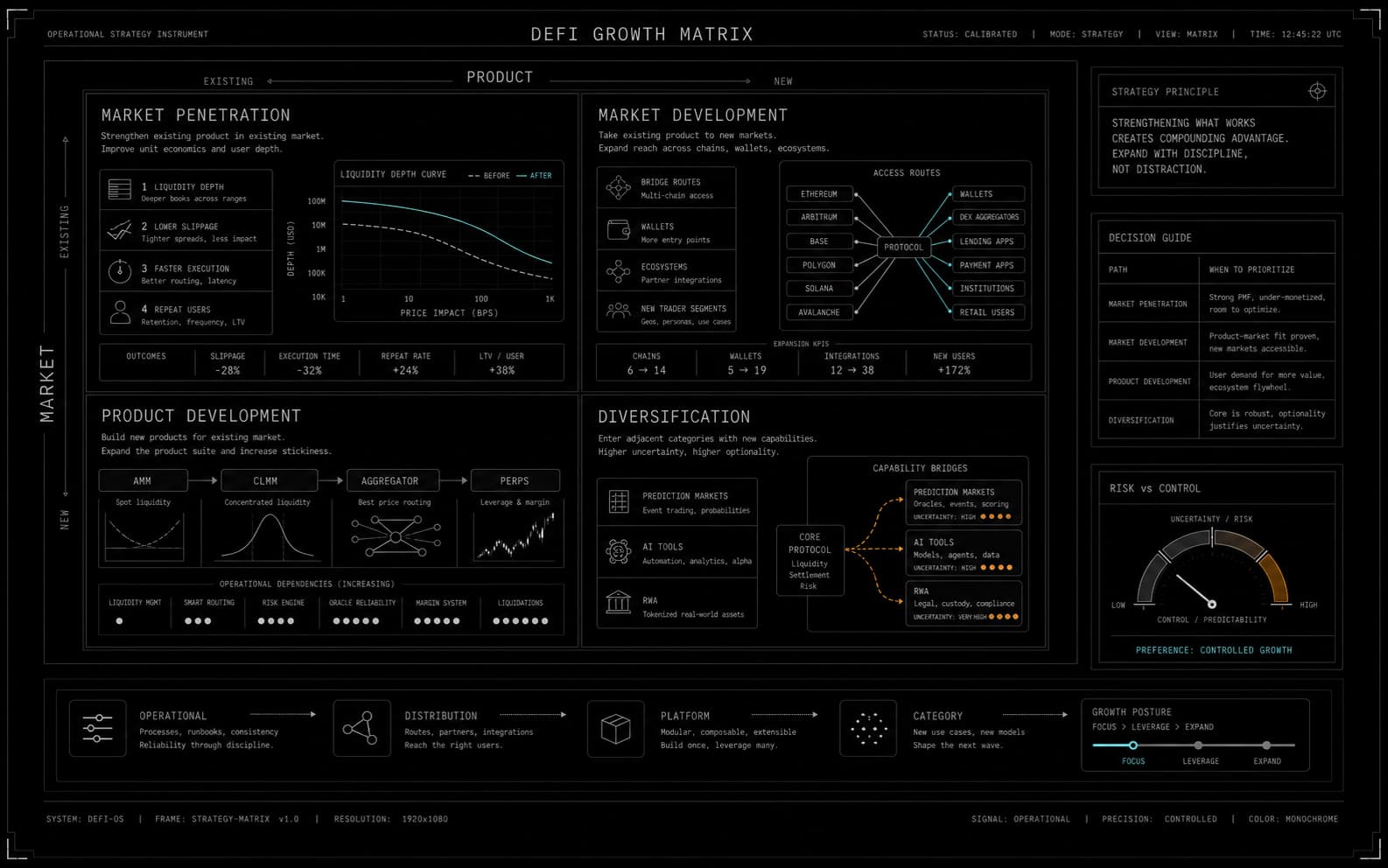
The matrix has 4 paths, as you can see in the very nice image that I'll probably attach:
- Existing product → existing market
- Existing product → new market
- New product → existing market
- New product → new market
In TradFi lingo, these are called:
- Market penetration
- Market development
- Product development
- Diversification
Let's look at each.
1. Market Penetration
Existing product. Existing market.
This is the least sexy but often the most important.
For a DEX, this basically means getting more users. You already have a swap product. You already have users. Now your job is to get more usage from the same market.
Simple, right? Not really. This could mean one of anything:
- better liquidity
- tighter slippage
- better routing
- more reliable charts
- faster transactions
- better onboarding
- more campaigns
- better LP education
- improved retention
- cleaner mobile UX
- stronger partner liquidity
How do you pick which one's the best? Well, it really depends on where you stand and where you're going; you could always reach out to me if you're confused :)
In DeFi, market penetration is not “run more ads.” It is making the existing product more usable, more liquid, more trusted, and more repeatable. A swap product with bad liquidity does not need a new feature first. It needs better execution. A perps product with slow orders does not need a new narrative first. It needs traders to trust that orders actually land fast.
A CLMM product with confused LPs does not need more pools first. It needs LPs to understand where their capital is active and why. This is the quadrant most teams underestimate because it does not sound ambitious.
But in DeFi, improving the existing product can be the difference between dead TVL and real volume.
2. Market Development
Existing product. New market.
This is when you take the same product to a new user base, geography, chain, ecosystem, or distribution channel.
In DeFi, the clearest version is:
“We already have a DEX. Let’s launch it on another chain.”
Simple, right? Not really. It could mean one of anything below:
- taking a DEX to a new ecosystem
- launching the same perps product for a new trader segment
- onboarding a new wallet community
- partnering with another protocol
- using a bridge to bring in external liquidity
- targeting market makers instead of only retail users
- using KOL/community campaigns to reach new user groups
This is where bridges, ecosystem partnerships, and integrations become strategic.
Therefore, a bridge is not just infrastructure. It is a market development tool. It lets users from one ecosystem enter another. A partnership is not just a logo. It is access to a new market. An aggregator is not just routing. It can turn fragmented liquidity into a broader addressable user base. I could go on, but you get the idea.
Here's the kicker though, most teams assume new markets will behave like existing markets.
Spoiler; they usually do not. A product that works for early DeFi natives may confuse retail users. A DEX that works on one chain may feel slower or less liquid on another. A perps product that works for degens may not work for cautious traders. So the question is not only:
“Can we launch this somewhere else?”
The question is:
“What needs to change for this product to make sense in a new market?”
Also, want to quote one of my favourite authors here, something to keep in mind:
"All that you touch, you change. All that you change, changes you."
- Octavia E. Butler, Parable of the Sower
3. Product Development
New product. Existing market.
This is something we went heavy with Dexlyn. This is probably the most common DeFi growth path. You already have users. Now you build more products for them. A DEX starts with AMM swaps.
Then adds:
- CLMM
- bridge
- aggregator
- perps
- launchpad
- naming service
- staking
- LP automation
- trading bots
- vaults
Sounds familiar, eh?
This can be powerful because distribution already exists. If users already trust your DEX, it is easier to introduce them to your perps product. If LPs already provide liquidity, it is easier to move them into CLMM. If traders already use your swap interface, it is easier to show them aggregator routes.
But this quadrant is dangerous. Because product development can turn into product sprawl. A team launches too many products before the first one is truly stable. Now users are confused. Engineering is stretched. Marketing has too many narratives. Support load increases. Liquidity fragments.
The roadmap becomes a museum of half-finished ambitions.
In DeFi, new products are especially expensive because every new primitive adds risk:
- A CLMM adds LP education risk.
- A bridge adds asset movement risk.
- Perps add liquidation and collateral risk.
- An aggregator adds routing and execution risk.
- A launchpad adds vetting and trust risk.
- Prediction markets add resolution risk.
So product development is not just:
“What else can we build?”
It is:
“What new product can our existing users trust us with?”
That is the real question.
4. Diversification
New product. New market.
This is the highest-risk quadrant.
It means building something new for users you do not already serve.
In DeFi, this could look like:
- a DEX launching an AI prediction market
- a trading protocol launching an AI marketing product
- a swap app launching a consumer wallet
- a perps platform launching a real-world asset product
- a DeFi team building tooling for non-crypto businesses
This is where the upside can be huge, but the strategic risk is also highest.
Because you are not only asking:
“Can we build this?”
You are asking:
“Do we understand this user at all?”
Diversification requires a different level of honesty. Your existing brand may not carry over. Your existing users may not care. Your team may not have the right instincts. Your distribution may not help. Your product muscle may transfer, but your market knowledge may not. That does not mean diversification is bad. Some of the best products come from applying a team’s core strengths to a new category. For example:
A DeFi team that understands market structure may be able to build prediction markets.
A team that understands campaigns and Web3 GTM may be able to build AI marketing tools.
A team that understands liquidity and risk may be able to build vault-based products.
But diversification only works when there is a real capability bridge. Not just a random idea bridge.
The DeFi version of the Ansoff Matrix
Here is how I think about it:
Market Penetration
Make the current product stronger for current users.
For DeFi:
- improve liquidity
- reduce slippage
- increase volume
- improve retention
- fix UX friction
- improve reliability
- make charts accurate
- make orders faster
This is operational growth.
Market Development
Take the current product to new users.
For DeFi:
- launch on new chains
- partner with ecosystems
- integrate wallets
- onboard new communities
- use bridges
- target market makers
- expand into new trader segments
This is distribution growth.
Product Development
Build new products for current users.
For DeFi:
- AMM → CLMM
- swap → aggregator
- DEX → perps
- spot → leverage
- pools → LP automation
- trading → portfolio analytics
This is platform growth.
Diversification
Build new products for new users.
For DeFi:
- prediction markets
- AI agents
- launchpads
- marketing tools
- creator markets
- real-world asset products
- consumer apps
This is category growth.
The mistake teams make
Most teams jump straight to product development or diversification. They want to launch the next big thing. But sometimes the highest ROI move is market penetration.
Make the existing thing work better.
- More volume from the same users.
- More liquidity in the same pools.
- More successful transactions.
- More repeat traders.
- More confident LPs.
- Fewer failed routes.
- Faster order execution.
- Clearer risk warnings.
That sounds boring, I know. But boring improvements compound.
A DEX that improves execution quality can grow without launching five new products. A perps platform that improves order latency can build more trader trust than a new token campaign. A CLMM that makes LP ranges understandable can unlock more liquidity than a bigger incentive pool.
In DeFi, growth is not always expansion.
Sometimes growth is compression:
- Compress friction.
- Compress latency.
- Compress confusion.
- Compress risk misunderstanding.
- Compress the time between intent and successful action.